

“Multiple Chemical Sensitivity (MCS) is defined as “a syndrome in which multiple symptoms reportedly occur with low-level chemical exposure.”
In the article, the authors write, “MCS syndrome is characterized by the patient’s belief that his or her symptoms are caused by very low-level exposure to environmental chemicals.” (Magill M, Suruda A)
An Italian study found that almost 60% of people who suffer from MCS are women, 40 to 50 years old. Symptoms include but are not limited to, sore throat, headache, coughing, hyperosmia, and dyspnoea (Del Casale A, Ferrucuti S, et al)
However, there have not been enough clinical studies done to make a conclusive medical diagnosis as to what causes symptoms in patients. Therefore, MCS is believed to be a syndrome that belongs in the mental health category instead of physical health. People who suffer from this are not believed and sometimes ridiculed for being overly dramatic.
We live in a highly-scented world
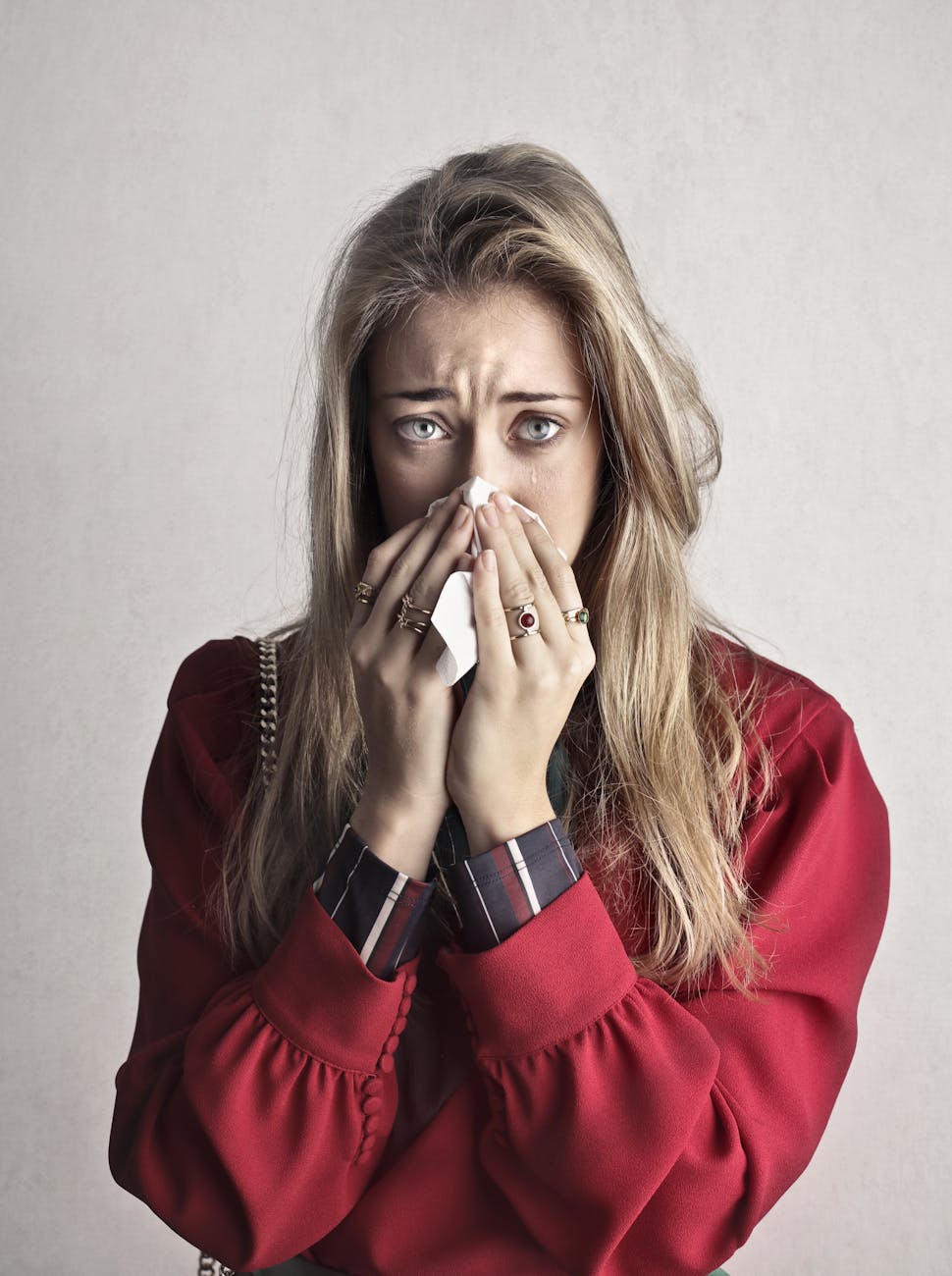
For people who suffer from MCS, the physical effects are very real and can interfere with everyday activities. A few hours in a public space means contact with perfume, cologne, fabric softener, and other commonly scented products. While the average person may not even notice, the scent-sensitive person finds it highly uncomfortable, or in some cases, almost impossible. A visit to the hair salon, where hair color, spray, shampoos, and gel are everywhere can lead to hours of recovery.
I know how this feels firsthand. You can read more about this here. As I have gotten older I have become much more sensitive to products that have been artificially scented. It began with cat litter and laundry detergent but has progressed to food. In a small space, I can tell if someone near me opens a popular drink that contains artificial ingredients.
What I have noticed is that natural scents are much easier to handle. They are more subtle and the scent dissipates much more rapidly. I would compare it to a food that is naturally sweet to one that is filled with artificial sweeteners. The aftertaste lingers on the taste buds long after the food is swallowed.
The natural world is filled with the most intoxicating aromas if you take the time to notice. However sometimes life gets stinky. I feel very strongly that using essential oils that are sustainably sourced, instead of synthetic scents created in a laboratory is a much better way to provide scent. Therapeutic benefits aside, scents created from nature are also better for you. After all you are a part of nature. You were meant to blend in with the scents around you. Give it a try.
References
Del Casale A, Ferracuti S, Mosca A, Pomes LM, Fiaschè F, Bonanni L, Borro M, Gentile G, Martelletti P, Simmaco M. Multiple Chemical Sensitivity Syndrome: A Principal Component Analysis of Symptoms. International Journal of Environmental Research and Public Health. 2020; 17(18):6551. https://doi.org/10.3390/ijerph17186551
Magill MK, Suruda A. Multiple chemical sensitivity syndrome. Am Fam Physician. 1998 Sep 1;58(3):721-8. PMID: 9750540.




 Scented By Nature
Leave a comment