
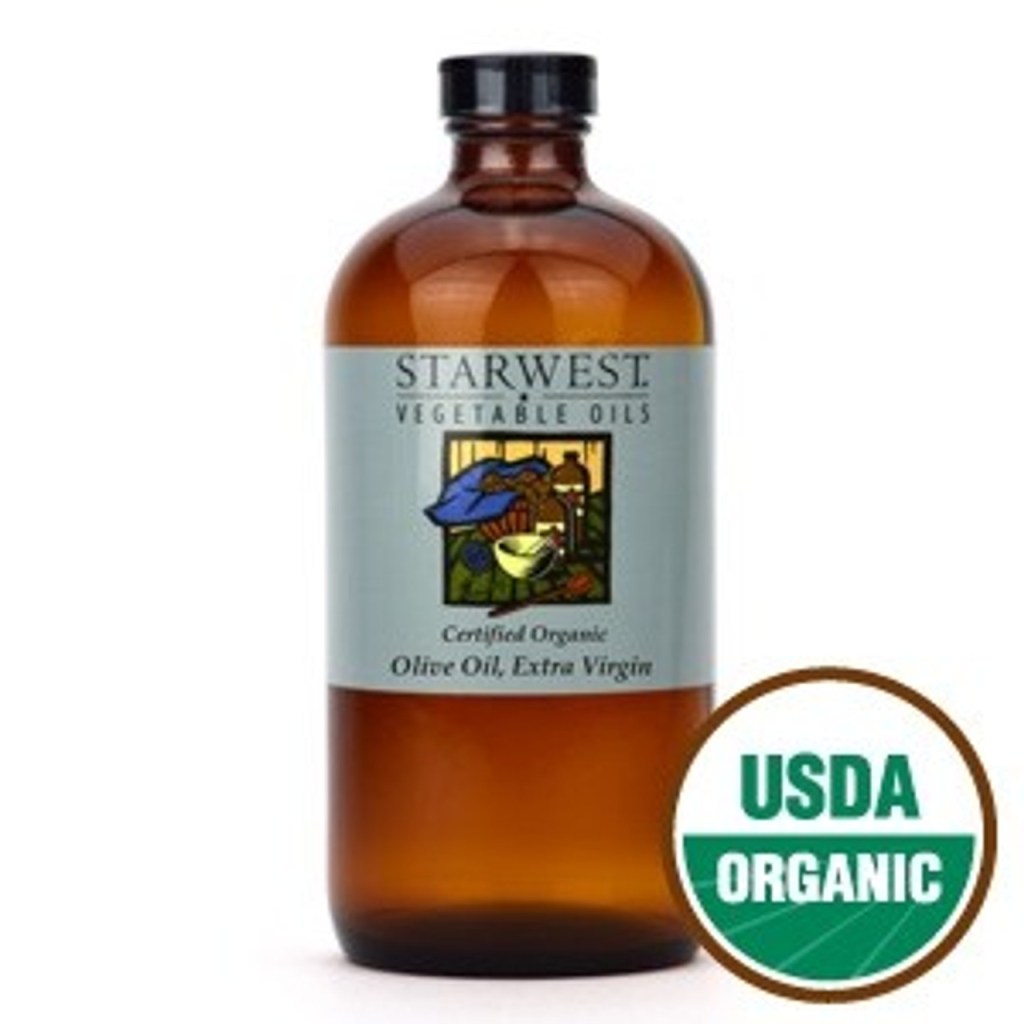

Carrier oils are a base to which essential oils are added. They have properties that moisturize and protect the skin, and aid in absorption of the essential oils. Sometimes the choice to use one over the other is a personal preference. Sometimes it depends on product availability. The most important reason to choose one over the other is when you blend for a specific person or issue. In that case, the choice of carrier oil will be complimentary to the desired outcome of the product.
An example would be if I’m making a blend for my next-door neighbor who has been helping us clear a spot for a new garden area. He overdid it just a bit and needs something to ease the tightness. I know that he has nut allergies. I have Ease Up Salve made with Almond Oil and I have Ease Up Salve made with Jojoba. My choice would be the salve made with the Jojoba because of the known nut allergy.
Another consideration is the interaction with medications. When choosing an herb-infused carrier oil it is important to know if there are possible pharmaceutical contraindications. Herbs like St John’s Wort come with a lot of contraindications. Anxiety, anti-depressants, and according to a more recent article, (Gouws, C., Hamman C.H.,2020) St John’s Wort should not be used with anti-coagulation medications. Capsaicin found in Cayenne Peppers is wonderful for pain but it is also a blood thinner. This is important information to know. it is not always easy to know which compound in an herb is the reactionary compound. Whether topical use comes with the same number of warnings is not always known, but my philosophy is better safe than sorry.
Keeping all of that in mind, there are so many wonderful carrier oils to choose from when creating products. I’m going to highlight just a few. Once you start making your blends you will find ones you love working with. There are also many knowledgeable resources online and in print. Recently I have been enjoying reading material at Lipid Oils Academy. Their blog and newsletters contain a wealth of information. They also routinely offer free webinars. I am not an affiliate but I do love their way of teaching.
On with four of the most common carrier oils
I have included some affiliate links

- Coconut Oil – Very easy to find. It comes in solid form (fractionated comes in liquid form) and melts quickly. It may help moisturize and have anti-inflammatory properties. However, some people do have adverse reactions when used. It is not always absorbed into the skin quickly, so it might leave a shiny coating. Shelf life is many years as long as it is stored properly. Organic coconut oil can be found in most health food stores, at Amazon, and even in the grocery store.
- Sweet Almond Oil – This has been used for centuries for its anti-inflammatory properties. It helps rejuvenate tired skin and has been used to help reduce scarring. It is a liquid oil that is very easy to work with and can be purchased in large quantities for multiple herbal infusions. A shelf life of 1 year is recommended, but I have used mine for longer. Always check for rancidity and mold.
- Olive Oil – Very easy to find. Always buy organic and a brand that you trust to be authentic. There have been many cases of adulteration in the olive oil industry. It is in liquid form and can be purchased in large quantities. It does soak in well but can leave an oily residue that might stain your clothes. Shelf life ranges from 1-2 years. For personal care products, it is best to keep the oil stored in a cool dark place and out of the kitchen.
- Jojoba – Technically this is a liquid wax, not an oil. This is my favorite carrier because it most closely resembles our own skin’s sebum. The drawback is that making a lot of herb-infused oils can get pricey. I have ordered from Amazon in the past. If you want to try some before ordering a gallon I would suggest buying from companies like Aromatics International or Starwest Botanicals. I love their products and know they are high quality. Shelf life is many years because it is not officially an oil. I have seen recommended shelf life of 2 years and I have also seen 5 years. As with any product, check for signs that it has gone bad before using.
There are so many other carriers available. Adding Shea Butter, Cocoa Butter, and deep-rich oils like Avocado or Tamanu can make the possibilities endless when it comes to making your skincare products. Learn about the different properties of each oil, and explore what feels best for your skin. Let your imagination guide you into a world of quality synthetic-free skincare and therapeutic salves.
References
Gouws, C., & Hamman, J. H. (2020). What are the dangers of drug interactions with herbal medicines? Expert Opinion on Drug Metabolism & Toxicology, 16(3), 165–167. https://doi.org/10.1080/17425255.2020.1733969




 Scented By Nature
Leave a comment