
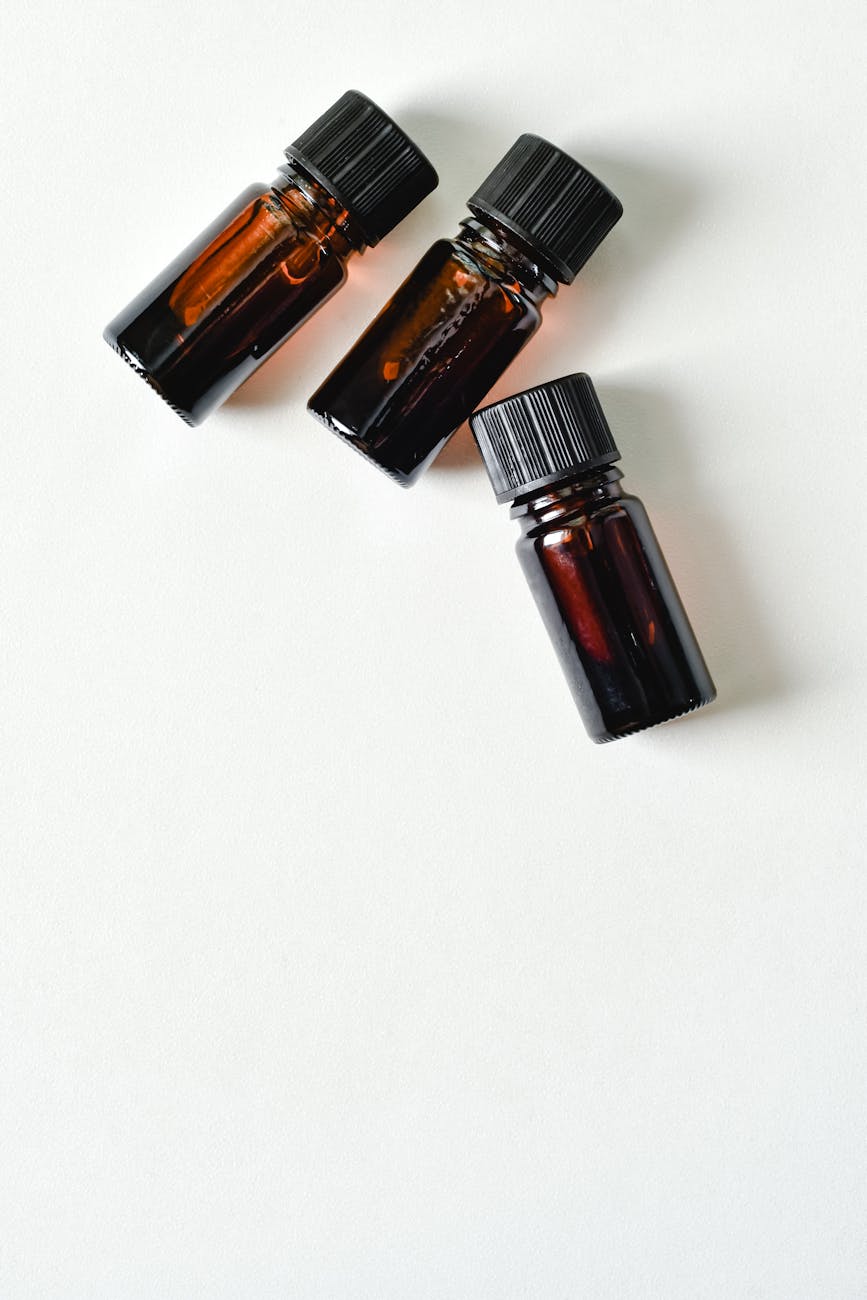
Essential Oils are the aromatic compounds of a plant that make up the volatile plant oils. In simpler terms, they are what makes a rose smell like a rose and fills the kitchen with the sweet but spicy scent when there are fresh cinnamon rolls in the oven. The plant uses these compounds to protect themselves from predators and to attract pollinators. They only become essential oils after a distiller puts the plant material through the needed extraction process.
Essential oils are extracted from the different plant parts. Flowers, leaves, roots, bark, and even seeds are used to create an individual essential oil. The process is accomplished through steam distillation, being cold pressed, using a solvent, or CO2 extraction.
Some oils come from plants, like Lavender (Lavendula angustifolia), that are grown annually, others come from trees that take hundreds of years to grow. These trees like Sandalwood (Santalum album) must be cut down to reach the heart wood. This has caused some plants to become endangered.
One thing that all oils have in common is the amount of plant matter it takes to make a small amount of essential oil. According to Aliikulalavender.com it takes 35 pounds of flower to create one 15 ml bottle of essential oil. That’s the approximate equivalent of 1 tablespoon. They are highly concentrated and should always be used responsibly. It is important to understand when working with essential oils that less is better, and substituting one oil for another based on knowledge will help maintain valuable plant sustainability.
When used properly plant oils have many benefits. I will regularly be adding essential oil profiles for you to explore the basics. I highly recommend taking some courses in aromatherapy if you would like to learn more in depth information. Aromahead Institute has a great program. They also offer some free courses for you to experience their knowledge and teaching methods before diving into a more formal course.
I research and put time into forming these profile sheets. Please feel free to print and share the profiles with proper credits attached.


Photo Credits
Frankincense thanks to Britannica.com
Patchouli thanks to Britannica.com
Lemon thanks to Pexels.com


 Scented By Nature