
If you have long hair or have a pet with fur then chances are you know Burdock. Perhaps not by name, but certainly by sight.
Burdock
(Arctium spp)
Common Name: Beggars Buttons, Cocklebur, Gobo
Plant Family: Asteraceae
Plant Part Used: Roots, Leaves, Stalks, Seeds
Extraction Method: Tea, Strong decoction, Roasted and eaten, Tincture, Dried and powdered
Countries of Origin: Europe and Asia
Properties: Cleansing, Detoxing, Anti-inflammatory, Diaphoretic, Anti-fungal (N. Moya), Prebiotic (R. De la Forte)
Therapeutic Uses: Leaves used as a poultice can help with skin issues like cuts, scrapes, rashes. A strong decoction of any part of the plant can also be used to help with skin. (N. Moya). Burdock is used as a food. The roots can be sauted, roasted, dried and powdered. Rosalee De la Foret writes that a tea drank as a tonic is known for helping lower inflammation and help relieves osteoarthritis pain, especially in of the knee. The roots have prebiotic actions and help support good gut flora. Burdock is also used to ease painful urination.
Energetics: Cooling, Moistening, Nutritive, Alterative, Antioxidant

Burdock is a biennial plant, The first year the large leaves form a basal rosette. They are low to the ground and can be egg or heart-shaped. The leaves have a central vein with smaller veins running to the edges of the leaves. The underside and stems are fuzzy but the top is smooth.
The second year the plant grows a tall stem that can reach up to 9 feet high. The leaves are alternate along the stem and get smaller the higher they go. The plant produces pink or purple flowers. The seeds are in small round burrs that get stuck to clothing, hair, and fur. The root is a long large taproot. It can be yellow, brown, or white. Burdock grows along the roadside, fences, river banks, or in open fields. It is considered an invasive weed and is often removed using herbicides.

The plant to the left is of the flowers when they are opening and before the seed pods (burrs) dry. You can see the round spikey ball just beneath the flower. The leaves on this plant are a light green and more heart-shaped then the above picture. The leaves on the top are smaller in size than the ones that grow further down the stalk.

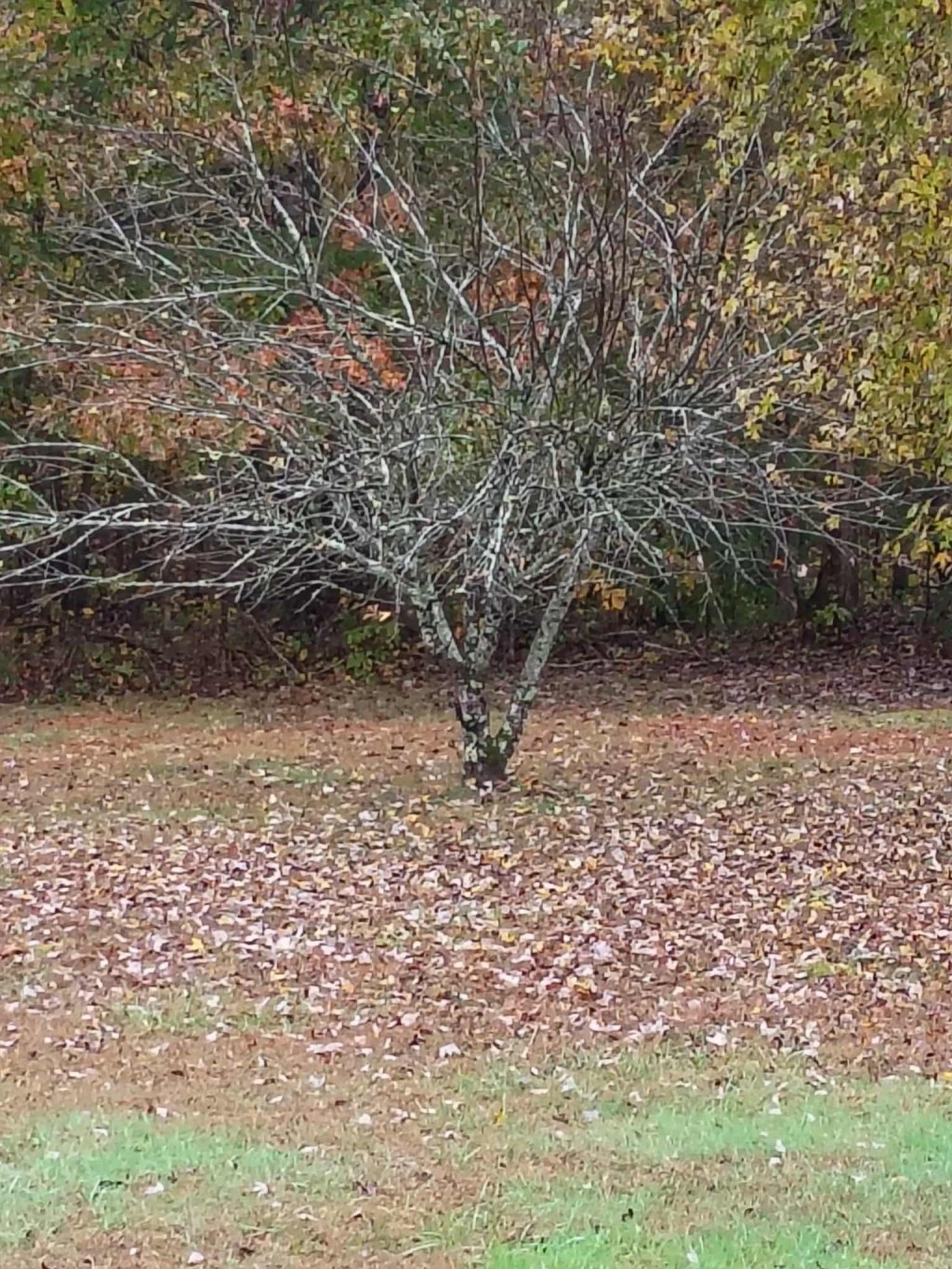
The plant to the right is at the end of it’s life cycle or it is diseased. I found it at the edge of a walking path so it may have been sprayed with an herbicide. The seed pods have lost the flowers and dried into small round burrs that get caught on everything as it passes by. Both pictures are of plants in their second year.
Burdock is considered a cleansing herb. The whole plant has nutritive and therapeutic value. It is used to support the digestive, lymphatic, urinary, and hepatic systems. It is also used as a poultice for rashes, scrapes, and mild skin irritation.
According to Nick Moya any part of the plant can be made into a strong decoction and used. The outer part of the root contains tannins which are drying but the inner root has demulcent properties thanks to the inulin it contains. Inulin has moistening qualities and is soothing to the digestive system. *He notes that caution is needed with a strong decoction as burdock is also known to have detoxing actions. It is best to start with a tea that will soothe versus a decoction that might purge. The young healthy leaves can also be used as a tea.
Rosalee De la Foret writes in her book Wild Remedies that burdock seeds and roots have diuretic, anti-inflammatory, and prebiotic properties that can be useful when dealing with painful urination, inflammation of the joints, and improving a healthy gut. Drinking the tea as a cleansing medicinal tonic can help flush out the urinary system.
Burdock has been used to treat cancer. It is best known as an ingredient in the Essiac and Hoxsey Formulas from the 1920s. No new tests have been done but it has been used for many years as an alternative treatment for ovarian cancer. (De la Foret)
Originating in Asia and parts of Europe, many cultures in that part of the world use burdock root as a food source. It can be roasted, sauteed, or used in stir fry. The roots can also be cut, dried, powdered, and added to soups and stews. In Great Britain, burdock root was combined with dandelion root to make a non-alcoholic fermented beverage. (Moya)
It is best to dig the root at the end of the first season. This is when the root is the most tender and will contain the most nutritional value. Though Burdock is considered an invasive plant, remember that removing the root kills the whole plant. Please harvest sustainably.
Burdock gets a bad rap because of the inconvenient way its seeds are packaged. Even as a youngster living in the city, I learned to avoid those plants. After one walk to or from school through a “patch” of wooded area I could emerge with a bunch of those little burrs tangled in my long hair. But my feelings toward burdock have changed. It is an amazing plant with much value. It can be used from when the leaves first appear until the seed pods fall. It has an affinity for body systems from the inside out and when those systems are feeling stuck, it helps get them moving again. The next time you come across those brown clingy seed clusters take a few home, open them up, Rosalee de la Foret suggests putting them in a paper bag and smash them with a hammer, and make a cuppa tea. It will do a body good.
Aon, O. (n.d.). How to Identify and Forage Common Burdock. Retrieved from Forage Colorado: https://www.foragecolorado.com/post/how-to-identify-and-forage-common-burdock
Burdock. (2021). Retrieved from Edible Wild Food: https://www.ediblewildfood.com/burdock.aspx
Foret, R. d. (2016). Burdock Benefits. Retrieved from Herbal Remedies Advice: https://www.herbalremediesadvice.org/burdock-benefits.html
Moya, N. (n.d.). Burdock. Retrieved from Herbrally.com: https://www.herbrally.com/monographs/burdock
Rosalee De la Foret, E. H. (2020). Wild Remedies. Hay House.


 Scented By Nature